
Step into an apparel factory on a regular weekday. You hear machines running, workers calling out sizes, fabric stacks moving from one table to the next. On the surface, it looks familiar. But pay attention for a moment, and you will notice something new woven into the routine. Screens mounted near sewing lines. A supervisor is checking a tablet instead of a clipboard. Quiet updates are flowing in the background.
This shift is largely driven by ERP for apparel manufacturing. It is not about turning factories into tech labs. It is about helping real people manage real production pressure without losing their sanity halfway through the day.
For years, factories ran on experience, paper slips, and a lot of walking back and forth. Production managers relied on memory to know which line was behind. Inventory teams checked stock by physically counting rolls. If something went wrong, it usually showed up at the worst possible time.
The problem was nota lack of effort. People worked hard. The issue was that information moved too slowly. By the time a delay was spotted, fixing it meant overtime or rushed shipping. Small mistakes quietly turned into expensive ones.
ERP Software does not flip the factory upside down overnight. The machines stay the same. The people stay the same. What changes is visibility.
Production schedules update in real time. If a buyer changes quantities or colours, the system reflects it across departments without ten phone calls. Line supervisors can see daily targets clearly. Warehouse teams know exactly what fabric is available and what is already committed.
On the floor, this often shows up as:
These are small things on their own. Together, they remove constant guesswork.
One production head put it simply. Before ERP, decisions were based on instinct. After ERP, instinct still mattered, but it was backed by data.
If a sewing line slows down, managers no longer wait until end of day reports. They see it while it is happening. Maybe a new operator needs help. Maybe a machine needs maintenance. Fixing it early keeps the whole order on track.
Costing also becomes more realistic. ERP captures actual labor time, material usage, and overhead. Over time, manufacturers get a clearer picture of which styles are profitable and which ones quietly drain money.
In one factory, dashboards were installed near sewing lines. At first, operators were unsure. No one wants to feel watched. But the mood changed quickly. Teams started checking their own progress. If a line fell behind, they talked it through and adjusted tasks.
Productivity improved, but so did communication. The system became a shared tool instead of a management weapon.
Another factory used ERP to track defects directly at inspection points. Inspectors logged issues as they happened. Patterns showed up fast. Certain operations needed better training. Some materials caused repeated problems. Quality improved without adding extra layers of inspection.
ERP does not remove the human side of apparel manufacturing. If anything, it supports it. Less time spent chasing information means more time planning, coaching, and solving real problems.
Of course, adoption is not always smooth. Training takes effort. Some teams resist change, especially if they have seen systems fail before. Factories that succeed usually roll things out gradually and explain why the change matters.
When workers see fewer last-minute rushes and clearer expectations, acceptance grows naturally.
Fashion cycles keep getting faster. Orders are smaller. Delivery windows are tighter. Managing this with manual systems is no longer realistic.
ERP gives factories a backbone that supports flexibility without chaos. As businesses grow or add new product lines, the system grows with them. That is why even mid-sized manufacturers are now looking seriously at ERP, not as a luxury, but as a survival tool.
Also Read: Garment ERP Software: Simplifying Supply Chain & Production for Fashion Brands
The future factory will still depend on skilled hands and experienced eyes. What will change is how those people access information. Systems will stay in the background, quietly supporting daily decisions.
The right apparel ERP solutions help factories stay organised without losing their rhythm. For manufacturers exploring this path, a simple conversation can be a good place to start. No pressure, just clarity on what could work better tomorrow.

A profitable business does not merely depend on a good product but is significantly liable...

The ERP manufacturing companies are evolving and expanding at a rapid pace, thereby increasing competition...

In a short span of time, customer relationship management software has enormously advanced and picked...

Every year, we see the rise of new technologies., With each rising technology, we see...

The emerging economies are powering global growth. The world has witnessed the rise of manufacturing...

India is the world’s largest home to small and large-scale industries and a central hub...
The outbreaks of the Covid-19 virus caused worldwide panics and delivered a consequential blow to...
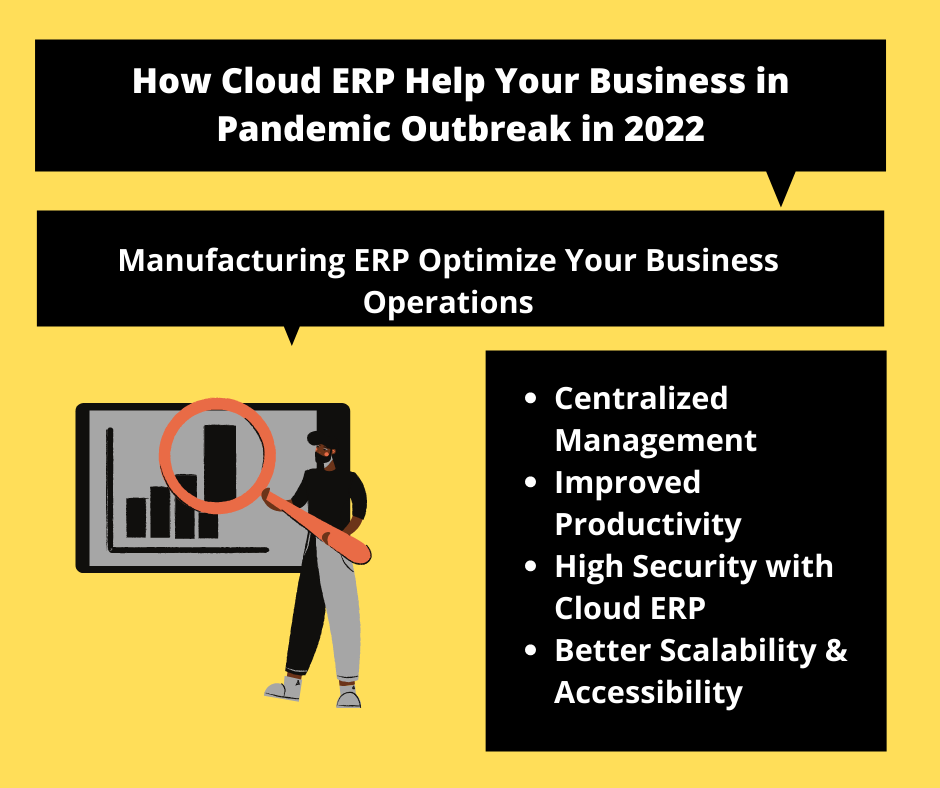
When the Cloud ERP Covid-19 pandemic came upon. It ushered in radical uncertainty and caused...

