
Manufacturing organizations operate in an increasingly competitive environment where production efficiency, resource utilization, and on-time delivery directly impact profitability and customer satisfaction. As product demand fluctuates and supply chains become more complex, relying on spreadsheets, disconnected systems, and manual planning methods often leads to production bottlenecks, inventory issues, missed deadlines, and increased operational costs. This is where ERP for manufacturing companies plays a critical role.
Enterprise Resource Planning (ERP) systems integrate production, inventory, procurement, sales, finance, and supply chain operations into a unified platform. By providing real-time visibility into manufacturing processes, a production ERP enables businesses to create accurate production plans, optimize scheduling, allocate resources efficiently, and respond quickly to changing market conditions.
Modern manufacturers increasingly adopt ERP solutions to eliminate production delays, improve forecasting accuracy, and streamline operations across departments. Whether managing discrete manufacturing, process manufacturing, or mixed-mode production environments, ERP software helps organizations make data-driven decisions that improve productivity and operational performance.
This article explores how ERP improves production planning and scheduling, the challenges it solves, and the practical benefits manufacturers can expect from implementation.
Production planning and scheduling form the foundation of efficient manufacturing operations. Production planning determines what products need to be manufactured, in what quantities, and within what timeframes. Scheduling then converts those plans into actionable tasks by assigning resources, machinery, labor, and materials to specific production activities.
Without a centralized planning system, manufacturers often face coordination challenges that disrupt production workflows and impact profitability. Delays in one department can create ripple effects throughout the entire manufacturing process.
Common production planning challenges include:
Traditional planning methods frequently depend on spreadsheets and manual updates, making it difficult to respond to sudden changes in customer demand or supply chain disruptions.
A production ERP addresses these issues by connecting every manufacturing function through a centralized database. Real-time information allows planners to make informed decisions based on current inventory levels, production capacity, customer orders, supplier lead times, and workforce availability. This creates a more responsive and efficient production environment that supports business growth while reducing operational risks.
ERP systems serve as the central nervous system of modern manufacturing organizations. Rather than operating with isolated software applications, manufacturers can manage all critical business functions through a single integrated platform that provides consistent, accurate, and real-time information.
Production ERP software enables seamless communication between departments. When a sales order is entered into the system, inventory levels, procurement requirements, production schedules, and financial projections can automatically update. This eliminates information silos and reduces the risk of planning errors.
Key manufacturing functions integrated through ERP include:
This level of integration significantly improves decision-making because managers can access comprehensive operational data from a single source of truth.
For example, if a supplier experiences delays, the ERP system can immediately identify affected production schedules and help planners adjust resources accordingly. Similarly, sudden increases in customer demand can trigger automated production recommendations based on available capacity and inventory levels.
By connecting business processes across the organization, ERP creates a more agile manufacturing environment capable of adapting to changing market conditions while maintaining operational efficiency and customer satisfaction.

Advanced ERP scheduling tools improve capacity planning, resource allocation, and production efficiency.
Accurate production planning depends on reliable data. One of the primary reasons manufacturers struggle with planning is the lack of visibility into inventory, capacity, demand forecasts, and supply chain activities. ERP systems eliminate these blind spots by providing real-time access to operational information.
A manufacturing ERP continuously collects and updates data from multiple departments. This enables planners to create realistic production schedules that align with actual business conditions rather than assumptions or outdated reports.
ERP improves planning accuracy through several capabilities:
Manufacturers can instantly view:
This visibility helps prevent production interruptions caused by material shortages.
ERP systems combine historical sales data, customer orders, seasonal trends, and market information to generate more accurate demand forecasts. Better forecasting reduces overproduction and minimizes excess inventory costs.
Production ERP software evaluates machine availability, labor resources, and operational constraints to ensure production plans remain achievable. This prevents unrealistic schedules that lead to delays and bottlenecks.
Managers can analyze real-time production metrics and adjust plans based on changing priorities, supplier disruptions, or customer requirements. Learn more about how ERP systems support data-driven manufacturing decisions from IBM’s industry overview.
The result is a more predictable manufacturing operation where production plans align closely with actual demand, available resources, and business objectives.
Production scheduling determines how manufacturing resources are allocated to meet production goals efficiently. Poor scheduling often results in machine downtime, labor inefficiencies, delayed orders, and increased operational costs. ERP systems address these issues by automating and optimizing scheduling processes.
Modern production ERP solutions use advanced algorithms to generate schedules that consider multiple variables simultaneously. Instead of manually coordinating production activities, planners can rely on automated scheduling tools that continuously adapt to changing conditions.
Benefits of ERP-based production scheduling include:
ERP scheduling systems can prioritize jobs based on customer deadlines, order value, resource availability, and production constraints. If unexpected events occur, such as machine breakdowns or material shortages, schedules can be automatically adjusted to minimize disruption.
Additional scheduling advantages include:
By creating dynamic and responsive schedules, ERP helps manufacturers maximize productivity while maintaining flexibility in rapidly changing production environments.
Production delays are among the most costly challenges manufacturers face. Delays can lead to missed customer commitments, increased labor expenses, expedited shipping costs, and damaged business relationships. Many delays originate from disconnected systems, poor communication, inaccurate planning, and insufficient operational visibility.
ERP integration helps eliminate these issues by ensuring all departments work from the same set of real-time information. When production, inventory, procurement, and sales functions are synchronized, manufacturers can identify risks before they become major disruptions.
ERP reduces production delays through several mechanisms:
ERP systems monitor inventory levels and automatically trigger purchasing activities when stock reaches predefined thresholds. This minimizes the likelihood of production stoppages caused by material shortages.
Real-time dashboards allow managers to quickly detect:
Early detection enables proactive problem resolution.
Integrated workflows ensure that critical information flows automatically between departments, reducing delays caused by manual communication processes.
ERP provides visibility into supplier performance, lead times, and procurement status, helping manufacturers avoid disruptions that affect production schedules.
As manufacturers gain greater control over operations, they can consistently meet production targets, improve delivery performance, and strengthen customer satisfaction. In the second half of this article, we will explore advanced ERP capabilities including inventory optimization, shop floor management, production analytics, measurable business benefits, implementation best practices, and frequently asked questions that help manufacturers maximize ERP success.

ERP provides real-time inventory visibility and MRP automation to ensure uninterrupted production.
One of the most valuable ways ERP improves production planning and scheduling is through advanced inventory management and Material Requirements Planning (MRP). Manufacturing companies often struggle to balance inventory levels. Too much inventory increases storage costs and ties up working capital, while insufficient inventory creates production disruptions and missed customer deadlines.
A production ERP continuously analyzes demand forecasts, production schedules, customer orders, supplier lead times, and current stock levels to determine exactly what materials are needed and when they are required. This automated approach significantly reduces planning errors and improves operational efficiency.
Key inventory optimization capabilities include:
MRP functionality enables manufacturers to align procurement activities with production requirements, ensuring materials arrive at the right time without excessive inventory accumulation.
Additional benefits include:
By synchronizing inventory management with production planning, ERP helps manufacturers create a leaner and more efficient operation while maintaining high service levels and production reliability.
Production planning and scheduling are only effective when managers can monitor execution in real time. Many manufacturers experience performance gaps because production data is collected manually and reviewed long after issues occur. ERP systems close this gap by providing real-time shop floor visibility.
Modern ERP solutions connect machines, operators, work centers, and production processes into a centralized platform. Managers gain immediate access to operational data that helps them monitor performance and make informed decisions throughout the production cycle.
Real-time production monitoring allows organizations to track:
This visibility enables faster response times when production issues arise.
Benefits of shop floor integration include:
For example, if a machine experiences unexpected downtime, the ERP system can alert planners immediately and recommend schedule adjustments. Instead of discovering problems after production delays occur, manufacturers can take corrective action in real time.
This proactive approach significantly improves production reliability, minimizes disruptions, and helps organizations maintain consistent delivery performance.
Data-driven manufacturing has become a critical competitive advantage. ERP systems collect large volumes of operational data that can be transformed into actionable insights through analytics and reporting tools. These capabilities help manufacturers continuously improve production planning and scheduling processes.
Rather than relying on assumptions or historical experience alone, decision-makers can use ERP-generated analytics to identify trends, measure performance, and uncover opportunities for optimization.
Important production metrics available through ERP analytics include:
Advanced reporting capabilities help manufacturers answer critical questions such as:
ERP dashboards provide visual performance indicators that make complex operational data easier to understand and act upon.
Organizations that leverage ERP analytics often achieve:
The ability to analyze production performance continuously allows manufacturers to move from reactive problem-solving to proactive operational management.
The impact of ERP extends beyond production planning and scheduling. Because ERP integrates all core manufacturing functions, organizations often experience significant improvements across multiple areas of the business.
Manufacturers that successfully implement ERP frequently report measurable operational and financial gains. These improvements result from greater visibility, automation, data accuracy, and process standardization.
Key business benefits include:
ERP streamlines workflows and reduces manual tasks, allowing production teams to focus on value-added activities.
Better coordination between departments minimizes disruptions and ensures production schedules remain on track.
Manufacturers can reduce:
Accurate scheduling and improved delivery performance help organizations meet customer expectations consistently.
ERP enables more effective use of:
Additional advantages include:
These benefits make ERP a strategic investment rather than simply a technology upgrade. Organizations that modernize production planning processes often achieve long-term competitive advantages in increasingly demanding manufacturing markets.
While ERP offers substantial benefits, achieving success requires careful planning and execution. Many implementation challenges arise not from the software itself but from inadequate preparation, poor change management, or unclear business objectives.
Manufacturing companies should approach ERP implementation as a business transformation initiative rather than a simple technology project.
Recommended implementation best practices include:
Organizations should identify specific goals such as:
Clear objectives help measure implementation success.
Participation from production, procurement, inventory, finance, and management teams ensures system requirements align with operational needs.
ERP implementation provides an opportunity to eliminate inefficient workflows and establish standardized operating procedures.
Comprehensive training helps users adopt new processes and maximize ERP capabilities. Learn more about human resource management strategies that support successful system adoption.
Organizations should track key performance indicators before and after implementation to quantify improvements.
Additional recommendations include:
Following these best practices significantly increases the likelihood of achieving expected production planning and scheduling improvements.
Efficient production planning and scheduling are essential for manufacturing success. As supply chains become more complex and customer expectations continue to rise, manufacturers need technology that provides visibility, accuracy, and agility across operations. ERP for manufacturing companies delivers these capabilities by integrating production, inventory, procurement, sales, and supply chain functions into a unified platform.
A modern production ERP enables organizations to improve forecasting accuracy, optimize inventory levels, automate scheduling, reduce production delays, and monitor operations in real time. Beyond operational improvements, ERP supports strategic decision-making through advanced analytics and performance reporting.
Manufacturers that invest in ERP gain the ability to coordinate resources more effectively, respond quickly to changing market conditions, and maintain consistent production performance. Whether the goal is reducing downtime, improving delivery reliability, increasing productivity, or supporting future growth, ERP provides the foundation for smarter manufacturing operations.
By implementing the right ERP solution and following proven best practices, manufacturing companies can transform production planning and scheduling from a reactive process into a powerful competitive advantage.
ERP improves production planning by integrating inventory, demand forecasts, production capacity, procurement, and sales data into a centralized system. This provides planners with accurate information needed to create realistic and efficient production plans.
Production ERP is a manufacturing-focused enterprise resource planning system that manages production planning, scheduling, inventory control, procurement, shop floor operations, and related business processes within a single platform.
Yes. ERP reduces production delays by improving visibility, automating workflows, enhancing communication between departments, optimizing inventory management, and enabling real-time issue identification.
Modern ERP solutions are available for manufacturers of all sizes. Small and medium-sized businesses can benefit from improved planning accuracy, better inventory control, and enhanced operational efficiency.

A profitable business does not merely depend on a good product but is significantly liable...

The ERP manufacturing companies are evolving and expanding at a rapid pace, thereby increasing competition...

In a short span of time, customer relationship management software has enormously advanced and picked...

Every year, we see the rise of new technologies., With each rising technology, we see...

The emerging economies are powering global growth. The world has witnessed the rise of manufacturing...

India is the world’s largest home to small and large-scale industries and a central hub...
The outbreaks of the Covid-19 virus caused worldwide panics and delivered a consequential blow to...
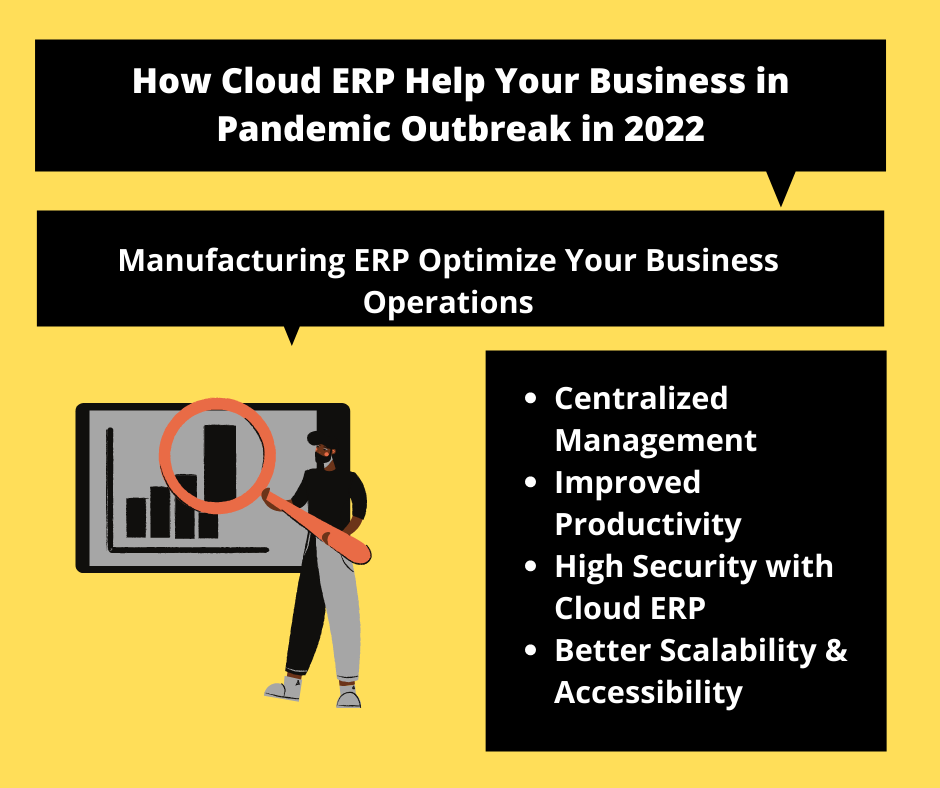
When the Cloud ERP Covid-19 pandemic came upon. It ushered in radical uncertainty and caused...

