
The fashion industry moves fast. New trends appear overnight, seasons change in the blink of an eye, and customer expectations keep evolving. Behind all the creativity and glamour lies a highly complex process that includes design, sourcing, production, inventory management, and distribution. For many fashion brands, keeping all these moving parts aligned is a constant challenge.
That’s where technology steps in. In particular, specialized entERPrise resource planning solutions have transformed how garment manufacturers operate. Instead of juggling spreadsheets, emails, and disconnected systems, fashion businesses now rely on garment ERP software to bring every aspect of production and supply chain under one digital roof.
Fashion used to follow a predictable calendar. Designers would create seasonal collections, manufacturers would produce them in batches, and retailers would plan their sales accordingly. Today, that timeline barely exists. Social media and online shopping have created an environment where consumers expect new collections regularly and instant availability of their favorite styles.
This shift puts enormous pressure on manufacturers to respond faster while maintaining quality and cost efficiency. The result is a greater need for technology that offers real-time visibility, predictive insights, and automated workflows. ERP for garment manufacturing fits perfectly into this need by connecting every department, from design and production to sales and shipping.
EntERPrise Resource Planning (ERP) software is designed to unify and manage a company’s core business processes. In the context of apparel and textile manufacturing, it helps track everything that goes into producing a garment- raw materials, fabric sourcing, cutting, stitching, quality control, packaging, and distribution.
Unlike generic ERP systems, industry-specific solutions are customized for fashion workflows. They can handle tasks such as style creation, bill of materials, order tracking, and vendor coordination, all from a single dashboard. This centralization ensures that information flows smoothly between teams and departments, reducing delays and human error.
The production floor in a garment factory is busy and detail-driven. Even a small delay or a wrong material count can disrupt an entire batch. ERP solutions help organize this chaos by synchronizing operations in real time. Here’s how they make a difference:
When these elements work together, garment manufacturing becomes faster, leaner, and more predictable.
Fashion production doesn’t happen in isolation. Designers, merchandisers, factory managers, and suppliers all depend on each other’s input. Miscommunication between teams often leads to errors, delays, and wasted resources. A robust ERP system acts as the single source of truth. Everyone has access to the same real-time data, which reduces confusion and fosters collaboration.
For instance, when a designer updates a style’s fabric requirement, the procurement team can see it instantly. The factory floor can adjust work orders without waiting for long email threads. Even the finance team benefits by having accurate data for budgeting and forecasting.
In a competitive industry, quick decisions can be the difference between success and missed opportunity. ERP platforms empower fashion brands with real-time analytics and reporting. Managers can view live dashboards that show order progress, supplier performance, or production efficiency.
With this data, businesses can act faster. If a particular product line is selling out quickly, they can ramp up production immediately. If material costs rise unexpectedly, they can adjust pricing or sourcing before it impacts profitability. In short, information that once took days to compile is now available within minutes.
Garment manufacturing often involves global supply chains. A single collection might include fabric from India, trims from China, and assembly in Vietnam before shipping to retailers in Europe or the US. Keeping track of all these moving parts manually is nearly impossible.
That’s where garment ERP software proves invaluable. It tracks orders, shipments, and vendor transactions across different time zones and currencies. Automated updates mean manufacturers always know the status of raw materials and finished goods. This transparency minimizes delays, reduces excess inventory, and helps brands maintain smoother supplier relationships.
Sustainability has become a major focus for fashion brands. Consumers are increasingly concerned about where and how their clothes are made. ERP systems can play a powerful role in promoting transparency and reducing waste.
By digitizing production data, companies can monitor resource usage, measure efficiency, and identify areas for improvement. For example, tracking fabric utilization rates helps minimize scrap, while digital inventory control prevents ovERProduction. The ability to trace materials back to their source also supports ethical sourcing practices.
The rise of online retail has changed how fashion brands sell their products. Many now operate direct-to-consumer (D2C) stores alongside wholesale distribution. Managing both channels can be tricky without integrated technology.
ERP for garment manufacturing bridges that gap by connecting production data with sales platforms. When an online order is placed, the system can automatically check stock, update inventory, and trigger replenishment if needed. This level of automation ensures a seamless shopping experience for customers while reducing operational stress behind the scenes.
The fashion business thrives on creativity, but it survives on organization. Managing thousands of styles, materials, and timelines requires more than intuition- it requires smart systems that keep everything connected. With garment ERP software and purpose-built ERP for garment manufacturing, fashion brands gain control over their production, reduce waste, and respond faster to market trends.
Whether you run a small design house or a large-scale manufacturing facility, implementing ERP is one of the most effective ways to future-proof your operations. It simplifies complexity, strengthens communication, and allows your team to focus on what truly matters- creating fashion that inspires the world.

A profitable business does not merely depend on a good product but is significantly liable...

The ERP manufacturing companies are evolving and expanding at a rapid pace, thereby increasing competition...

In a short span of time, customer relationship management software has enormously advanced and picked...

Every year, we see the rise of new technologies., With each rising technology, we see...

The emerging economies are powering global growth. The world has witnessed the rise of manufacturing...

India is the world’s largest home to small and large-scale industries and a central hub...
The outbreaks of the Covid-19 virus caused worldwide panics and delivered a consequential blow to...
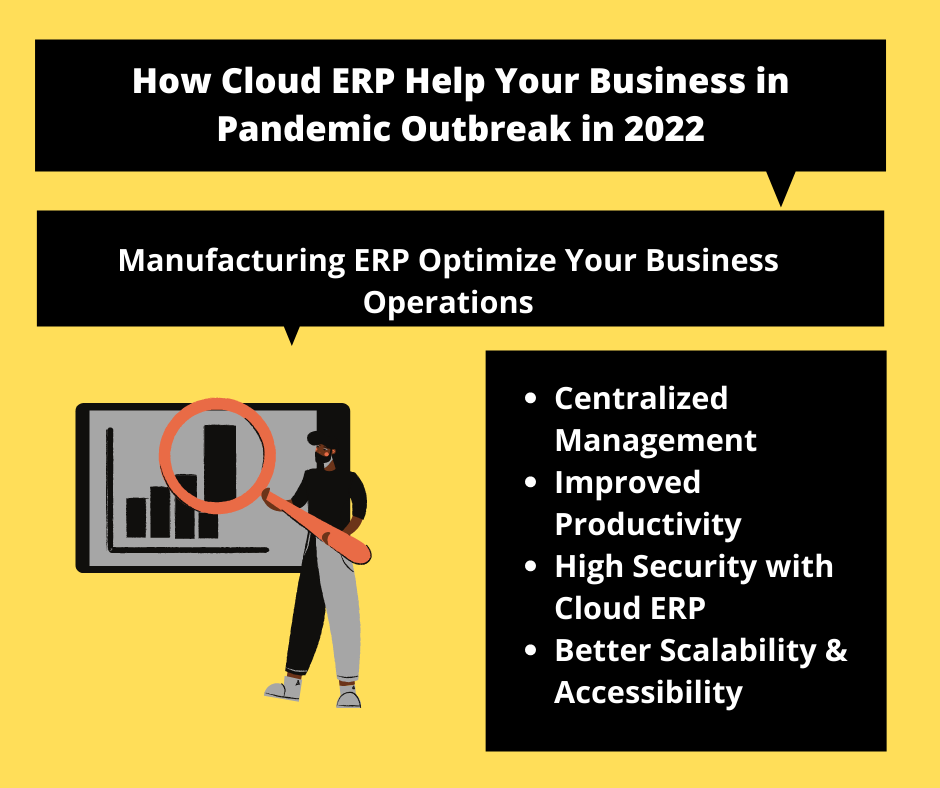
When the Cloud ERP Covid-19 pandemic came upon. It ushered in radical uncertainty and caused...

