
Manufacturing businesses operate in an increasingly complex environment where efficiency, accuracy, and visibility directly impact profitability. As companies grow, managing production schedules, inventory levels, procurement, customer orders, accounting, and workforce operations using disconnected software or manual processes becomes increasingly difficult.
Many manufacturers continue relying on spreadsheets, standalone applications, and outdated systems long after they have outgrown them. While these methods may work initially, they often create bottlenecks that limit growth and increase operational risks.
This is where an Enterprise Resource Planning (ERP) system becomes essential. ERP software integrates critical business functions into a centralized platform, allowing manufacturers to streamline operations, improve decision-making, and gain real-time visibility across the organization.
However, not every manufacturing company recognizes when it has reached the point where ERP implementation is necessary. Understanding the warning signs can help business leaders make proactive decisions before operational challenges begin affecting profitability, customer satisfaction, and long-term growth.

Recognizing ERP warning signs early helps manufacturers improve efficiency and support long-term growth.
An ERP system is a comprehensive software solution that connects multiple business processes into a unified database and platform. Instead of managing separate systems for inventory, accounting, procurement, production, and sales, manufacturers can access and manage everything from a single source of truth.
Modern manufacturing ERP solutions typically include:
By integrating these functions, ERP software helps manufacturers reduce inefficiencies, improve communication, and make informed decisions based on real-time data.

ERP software automates workflows and eliminates duplicate data entry across departments.
One of the clearest indicators that a manufacturing business needs an ERP system is excessive manual data entry.
In many growing companies, employees repeatedly enter the same information into multiple spreadsheets, databases, and software applications. For example, sales teams may enter order information into one system while warehouse staff manually update inventory records in another. Accounting teams may then enter the same information again for invoicing and financial reporting.
This duplication creates several problems:
Manual processes often become even more problematic as order volumes increase. Employees spend more time updating records and less time focusing on strategic activities that contribute to growth.
An ERP system automates data sharing between departments, ensuring information is entered once and instantly updated throughout the organization. This reduces errors while significantly improving operational efficiency.
If these issues sound familiar, your business may have already outgrown its current processes.
Inventory is one of the most critical assets in manufacturing. Poor inventory control can lead to stock shortages, excess inventory, production delays, and lost revenue.
As manufacturing operations expand, inventory management becomes increasingly complex. Companies often struggle to maintain accurate inventory records when relying on disconnected systems or manual tracking methods.
Several challenges commonly emerge:
Without accurate inventory visibility, manufacturers may order unnecessary materials while simultaneously running out of essential components. This creates operational inefficiencies that directly impact profitability.
ERP systems provide real-time inventory tracking across warehouses, production facilities, and supply chain networks. They allow businesses to monitor stock levels, automate replenishment processes, and improve demand forecasting.
Benefits include:
When inventory issues become recurring challenges, implementing an ERP system often becomes a necessity rather than an option.
Efficient production scheduling is essential for meeting customer expectations and maximizing manufacturing capacity.
When scheduling is managed through spreadsheets or outdated systems, manufacturers often face challenges coordinating machines, labor, materials, and production timelines. As complexity increases, scheduling errors become more common.
Common scheduling problems include:
These issues can create a ripple effect throughout the organization, affecting inventory levels, procurement planning, customer satisfaction, and profitability.
A manufacturing ERP system provides advanced scheduling capabilities that help businesses optimize resources and production workflows.
Key advantages include:
Manufacturers that consistently struggle with production scheduling often discover that ERP software provides the visibility and control needed to manage growth effectively.
Many manufacturers operate with fragmented information spread across multiple systems, departments, and spreadsheets. As a result, managers often struggle to gain a clear picture of business performance.
Without real-time visibility, decision-makers may rely on outdated information when addressing critical operational issues.
This lack of visibility can lead to:
Business leaders frequently spend considerable time gathering information from various departments before making decisions. By the time reports are compiled, the data may already be outdated.
ERP systems solve this challenge by centralizing data across the organization and providing real-time dashboards, reports, and analytics.
Manufacturers gain access to information such as:
With accurate and timely information, management teams can make faster decisions and proactively address potential issues before they escalate.
As manufacturing companies grow, customer order management often becomes increasingly complicated.
A higher volume of orders means more coordination between sales, production, inventory, shipping, and customer service teams. Without integrated systems, managing these workflows efficiently becomes challenging.
Common symptoms include:
When order management processes become fragmented, customer satisfaction can quickly decline. In highly competitive manufacturing markets, poor customer experiences can lead to lost business and reputational damage.
ERP systems provide end-to-end order visibility, allowing teams to track orders from initial placement through production and final delivery.
Benefits include:
As customer expectations continue to rise, manufacturers need systems that can support efficient and scalable order management processes.
Financial data is essential for evaluating performance, controlling costs, and planning future growth. However, many manufacturers struggle with lengthy reporting processes due to disconnected accounting systems and manual data consolidation.
When financial reporting becomes time-consuming, businesses may experience:
Finance teams often spend significant time gathering information from production, inventory, procurement, and sales departments before generating reports.
ERP software integrates financial management with operational data, creating a unified view of business performance.
This allows organizations to:
For manufacturers seeking greater financial control and visibility, ERP systems provide a powerful foundation for sustainable growth through integrated financial and management accounting capabilities.
As manufacturing businesses expand, their supply chains typically become more intricate. Companies may work with multiple suppliers, source materials globally, manage several warehouses, and coordinate deliveries across different regions.
While growth creates opportunities, it also introduces operational complexity that can be difficult to manage using disconnected systems or manual processes.
Common supply chain challenges include:
When supply chain data is spread across spreadsheets and standalone software, procurement teams often struggle to make informed purchasing decisions. This can lead to production delays, excess inventory, or missed customer commitments.
An ERP system centralizes supply chain information and enables manufacturers to:
With better supply chain visibility, manufacturers can proactively identify risks and maintain smoother production operations through effective supply chain management practices. Additional supply chain best practices are also outlined.
Manufacturers often operate in highly regulated industries where quality control, documentation, and compliance are essential. Industries such as aerospace, automotive, food production, pharmaceuticals, electronics, and medical device manufacturing face strict regulatory requirements.
As operations grow, maintaining compliance manually becomes increasingly challenging.
Some warning signs include:
Regulatory violations can result in costly penalties, product recalls, reputational damage, and customer dissatisfaction.
Modern manufacturing ERP systems help businesses maintain compliance by providing:
These capabilities reduce administrative burdens while improving accountability and product quality. Manufacturers in regulated sectors such as pharmaceutical manufacturing and medical device manufacturing often require advanced compliance controls. Regulatory guidance can also be referenced through resources.
Manufacturers often experience significant improvements in quality performance through ERP implementation:
For organizations facing increasing compliance obligations, ERP software can become a critical operational tool.
Poor communication is a common challenge in manufacturing organizations that rely on disconnected systems.
When departments operate independently, information silos often develop between:
As a result, important information may not be shared quickly or accurately.
Examples include:
These communication breakdowns create inefficiencies that affect productivity, customer satisfaction, and profitability.
ERP software establishes a shared platform where all departments access the same information in real time.
Benefits include:
When teams frequently struggle to coordinate activities, ERP implementation can dramatically improve organizational alignment through integrated customer relationship management, human resource management, and financial management capabilities.
Growth is often a positive sign, but it can expose limitations in existing business processes and technology.
Many manufacturers initially manage operations using spreadsheets, entry-level accounting software, and basic inventory tools. These systems may work adequately for small operations but often become inadequate as the business scales.
Indicators that growth is outpacing your systems include:
As transaction volumes increase, manual processes require additional staff and resources simply to maintain current performance levels.
ERP systems are designed to support business growth by providing scalable infrastructure that adapts to evolving operational requirements.
Scalability advantages include:
Businesses planning continued expansion often benefit from implementing ERP solutions for growing businesses before operational challenges become severe. Organizations can also follow business growth planning best practices to support sustainable expansion.
Many manufacturing companies begin evaluating ERP systems when they notice operational costs steadily increasing.
While cost increases can stem from various factors, inefficient processes frequently contribute to unnecessary expenses.
Common cost-related issues include:
Without centralized visibility, identifying the root causes of rising costs can be difficult.
ERP software helps manufacturers gain greater control over operational expenses through:
Many manufacturers achieve measurable cost savings in several key areas:
While ERP implementation requires investment, the long-term operational savings often generate substantial returns. Effective supply chain management and inventory optimization strategies are also widely recommended by organizations.
Successful manufacturing organizations rely on accurate information to guide strategic decisions.
When business leaders lack timely data, decisions are often based on assumptions, intuition, or incomplete reports.
This can lead to:
An ERP system provides access to real-time analytics and performance metrics that support informed decision-making.
Executives can monitor:
Data-driven insights allow leadership teams to identify opportunities, address challenges, and respond quickly to changing market conditions.
Today’s customers expect fast delivery, accurate orders, transparency, and consistent product quality.
Manufacturers that fail to meet these expectations risk losing business to competitors that offer superior service.
Common customer-related warning signs include:
ERP systems improve customer satisfaction by providing better coordination between departments and greater visibility throughout the order fulfillment process.
Benefits include:
As customer expectations evolve, manufacturers need technology that enables them to deliver reliable and scalable service.
Not every manufacturing company requires an ERP system immediately. However, businesses experiencing multiple warning signs simultaneously should seriously evaluate their technology infrastructure.
Questions to consider include:
If the answer to several of these questions is yes, your organization may be reaching the point where ERP implementation can provide significant benefits.
The ideal time to implement ERP is often before operational problems become critical. Proactive adoption allows businesses to establish scalable processes that support future growth while minimizing disruption.
A well-implemented ERP solution delivers benefits across the entire organization.
Major advantages include:
These benefits help manufacturers improve competitiveness while creating a stronger foundation for long-term success.
Manufacturing businesses face constant pressure to improve efficiency, reduce costs, meet customer expectations, and remain competitive in evolving markets. While spreadsheets and disconnected software may support operations in the early stages, they often become obstacles as companies grow.
Frequent inventory problems, production delays, communication breakdowns, rising costs, compliance challenges, and limited visibility are all strong indicators that current systems may no longer be sufficient.
An ERP system provides the integration, automation, and real-time insights manufacturers need to streamline operations and make smarter business decisions. By recognizing the warning signs early and investing in the right technology at the right time, manufacturing organizations can position themselves for sustainable growth, stronger profitability, and long-term operational success.
The primary purpose of an ERP system is to integrate manufacturing, inventory, procurement, finance, sales, and other business functions into a centralized platform that improves efficiency and visibility.
Common signs include inventory issues, production delays, excessive manual processes, reporting challenges, communication problems, and difficulty managing growth.
Yes. ERP systems often reduce costs by improving inventory management, automating workflows, optimizing production schedules, reducing waste, and increasing operational efficiency.
No. Many ERP solutions are designed specifically for small and mid-sized manufacturers and can scale as the business grows.
Implementation timelines vary depending on company size, complexity, customization requirements, and data migration needs. Projects may range from a few months to over a year.

A profitable business does not merely depend on a good product but is significantly liable...

The ERP manufacturing companies are evolving and expanding at a rapid pace, thereby increasing competition...

In a short span of time, customer relationship management software has enormously advanced and picked...

Every year, we see the rise of new technologies., With each rising technology, we see...

The emerging economies are powering global growth. The world has witnessed the rise of manufacturing...

India is the world’s largest home to small and large-scale industries and a central hub...
The outbreaks of the Covid-19 virus caused worldwide panics and delivered a consequential blow to...
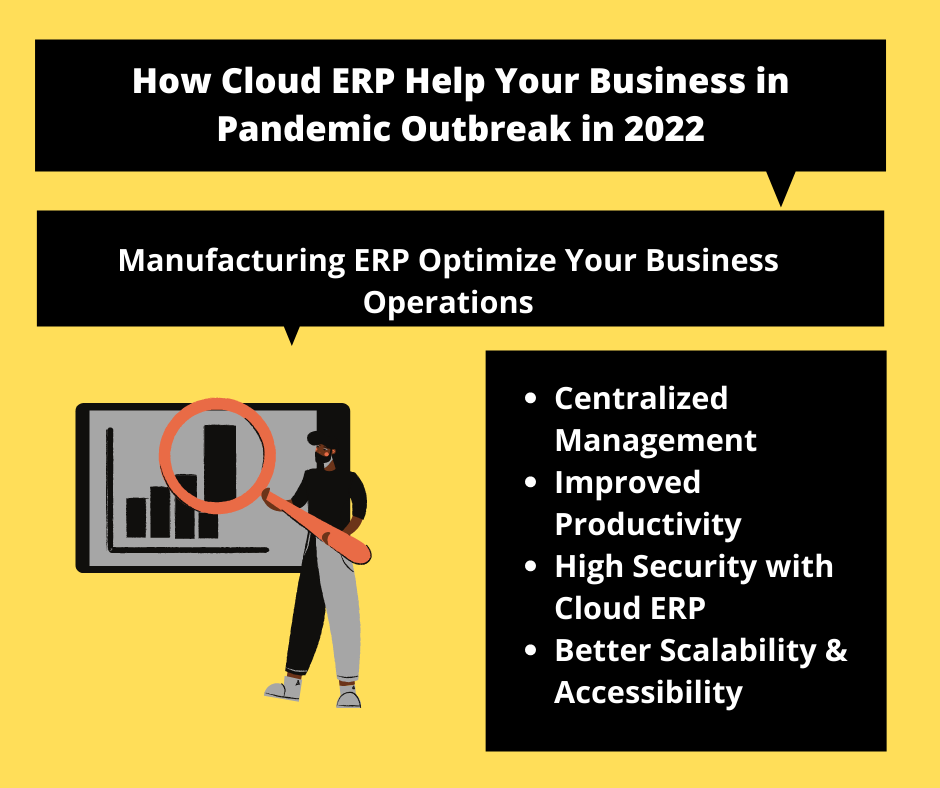
When the Cloud ERP Covid-19 pandemic came upon. It ushered in radical uncertainty and caused...

