ERP vs Traditional Systems in Manufacturing Operations
Manufacturing businesses today operate in an environment where speed, data accuracy, production efficiency, and customer expectations continue to increase. Companies are expected to manage inventory, production schedules, procurement, supply chains, quality control, customer relationships, and reporting without delays or errors. Many manufacturers still depend on legacy systems or traditional processes that were once effective but are now struggling to support modern business demands.
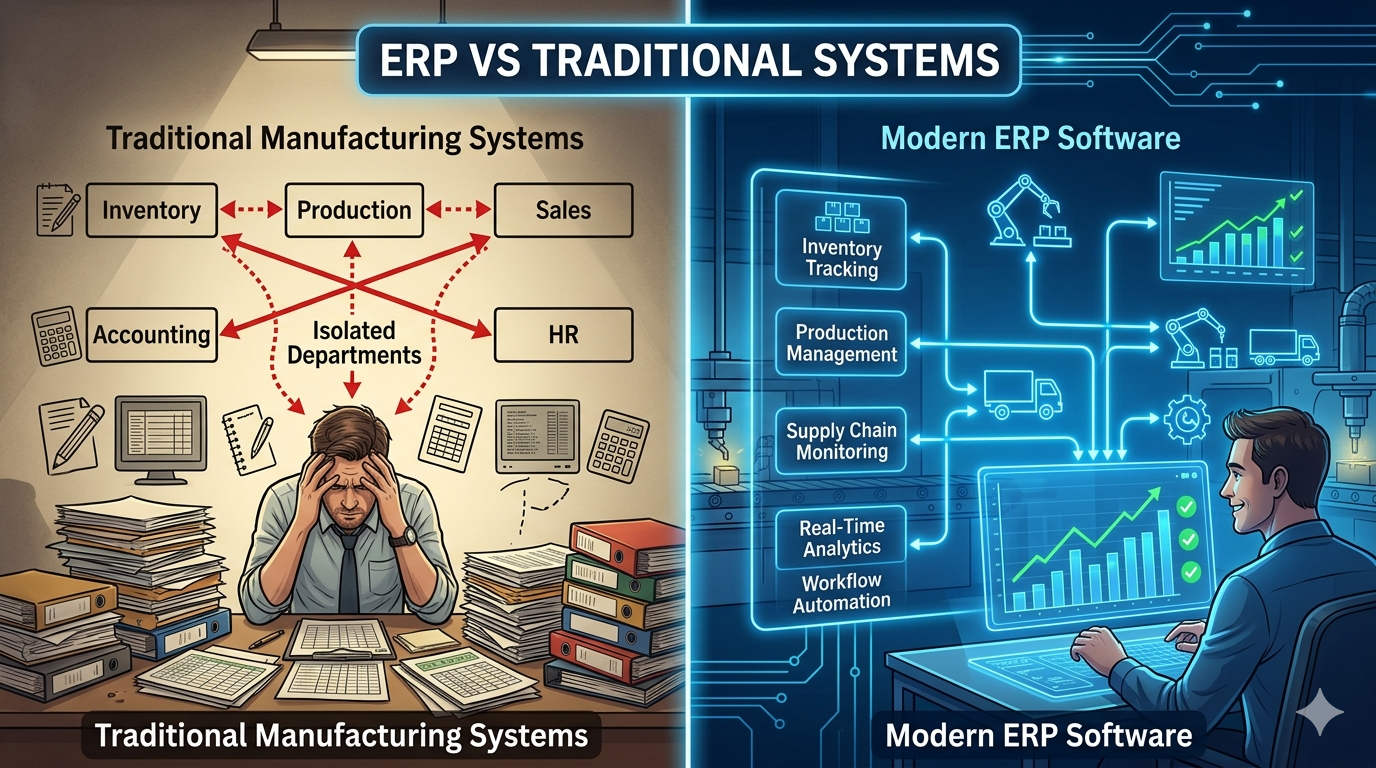
Traditional systems often operate independently, creating disconnected workflows between departments. Production teams may use one system, inventory teams another, and finance departments something completely separate. This separation creates communication gaps, delays, and unnecessary manual work.
This is where modern ERP software for manufacturing industry operations changes the process entirely. Enterprise Resource Planning (ERP) systems bring business operations into a unified platform where information flows in real time between departments.
Understanding the difference between ERP and traditional systems is important because choosing the wrong infrastructure can affect productivity, profitability, and long-term business growth.
Traditional systems are older software platforms or manual processes that manufacturers use to manage daily operations. In many cases, businesses rely on spreadsheets, standalone accounting tools, local databases, paperwork, or individual software applications that perform specific tasks.
Years ago, these systems worked because manufacturing processes were simpler and data volumes were lower. Businesses managed fewer customers, smaller inventories, and limited operational complexity. However, as manufacturing environments evolved, traditional systems started creating operational challenges.
One major issue with traditional systems is the lack of integration. Departments often work in isolation because their systems cannot communicate effectively. Data must frequently be entered multiple times into different platforms, increasing the possibility of mistakes and delays.
Traditional systems also make reporting difficult because information is scattered across different tools and departments.
Common characteristics of traditional systems:
Many manufacturers still continue with traditional systems because changing infrastructure appears expensive or complex. However, long-term operational limitations often become more costly.
ERP Creates One Connected Manufacturing System
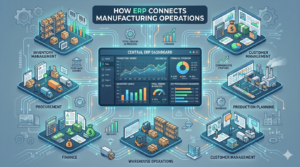
ERP software for manufacturing industry environments is an integrated business management solution designed to connect multiple business functions through one centralized platform. Instead of operating several disconnected systems, ERP creates a single source of information for the organization.
An ERP platform manages everything from inventory tracking and procurement to production planning, sales management, accounting, warehouse operations, and customer data.
The primary objective of ERP systems is to improve visibility and automate processes across departments. When a customer order enters the system, every connected department receives relevant information automatically.
For example, inventory teams can instantly view stock availability, production teams can schedule manufacturing requirements, procurement teams can identify material shortages, and finance departments can generate billing information without manual coordination.
Major capabilities of ERP systems include:
Modern ERP solutions help manufacturers improve operational control while reducing delays and improving decision-making.
Although both systems aim to support business operations, their approach and efficiency differ significantly.
Traditional systems function like separate departments working independently without direct communication. ERP systems function more like a connected ecosystem where every process works together.
The most noticeable difference appears in information accessibility. In traditional environments, employees often spend significant time locating data from multiple sources. ERP systems provide information instantly through centralized dashboards.
Another important difference involves automation. Traditional systems depend heavily on human intervention, while ERP platforms automate repetitive activities and workflows.
Scalability also separates both systems. Traditional platforms frequently require additional tools as businesses grow, whereas ERP systems can expand more efficiently by adding modules and capabilities.
Major differences include:
Traditional Systems
ERP Systems
These differences directly affect productivity, operational costs, and business performance.
Many manufacturers continue using legacy systems because they have been part of operations for years. While familiarity creates comfort, older systems frequently introduce hidden inefficiencies.
Legacy systems often struggle with increasing operational demands. As product lines expand, customers increase, and supply chains become more complex, older platforms may fail to handle growing data requirements.
Poor system integration creates communication issues between departments. Inventory discrepancies, delayed production schedules, and reporting errors become more common.
Security risks also become a concern. Older systems may no longer receive updates or technical support, exposing businesses to vulnerabilities and operational risks.
Common challenges created by outdated systems:
Manufacturers relying heavily on legacy systems often experience operational slowdowns that become more noticeable over time.
Manufacturing companies increasingly invest in ERP solutions because operational efficiency now directly affects competitiveness. Businesses require systems that provide visibility, speed, and flexibility.
ERP systems help organizations eliminate many inefficiencies associated with traditional processes. Real-time information improves planning accuracy and reduces uncertainty across departments.
Automation also reduces repetitive work and minimizes errors. Employees spend less time entering data and more time focusing on strategic tasks.
Beyond efficiency improvements, ERP systems support stronger business growth by providing better insights into operations and customer behavior.
Major advantages of ERP software for manufacturing industry businesses include:
ERP implementation is not only a technology upgrade; it becomes a business transformation process.
Long-Term ROI Benefits of ERP Systems
Many manufacturers initially assume that traditional systems are less expensive because they may already own the software or have used the same infrastructure for years. On the surface, avoiding a large implementation cost appears to save money. However, looking only at initial expenses rarely gives the complete picture.
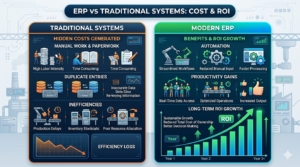
Traditional systems often create hidden operational costs that slowly increase over time. Manual processes consume employee hours, multiple tools require separate maintenance, reporting takes longer, and errors frequently create additional expenses. Businesses sometimes continue paying for software upgrades, technical fixes, and separate applications just to keep outdated processes functioning.
ERP systems generally require a higher upfront investment, particularly during deployment and employee training. However, the long-term financial impact often becomes more favorable because organizations eliminate multiple operational inefficiencies.
For manufacturers, cost should not only be measured by software pricing. It should also include productivity improvements, reduced errors, labor savings, and operational speed.
Factors that influence overall cost comparison:
When businesses evaluate long-term operational expenses instead of immediate costs alone, ERP frequently delivers stronger value.
Although ERP offers substantial advantages, implementation is not always simple. Moving from traditional systems to a fully integrated environment requires planning, training, and organizational commitment.
One of the most common challenges involves resistance to change. Employees who have used the same processes for years may initially feel uncomfortable with new workflows. Teams often require time to adjust to updated procedures and technologies.
Data migration also becomes a critical step during implementation. Businesses frequently have years of information stored in different systems, spreadsheets, and databases. Organizing and transferring that information accurately requires careful planning.
Training is another important factor. Even the most advanced ERP solution cannot deliver results if employees do not understand how to use it effectively.
Common implementation challenges include:
These challenges are normal for most organizations and can usually be managed through structured planning and phased deployment strategies.
Manufacturers do not invest in technology simply to replace old software. They invest because they expect measurable business improvements.
Return on investment (ROI) for ERP software often appears through multiple operational areas rather than one direct metric. Companies may notice faster production cycles, lower inventory costs, fewer manual errors, and stronger customer satisfaction levels.
Some benefits become visible immediately, while others develop gradually as employees become comfortable using the system and workflows improve.
For example, a manufacturing company that previously required several hours to create reports may reduce that process to minutes after ERP implementation. Similarly, inventory management improvements can reduce excess stock and storage expenses.
Areas where manufacturers commonly see ERP ROI:
ERP success should be measured through overall business efficiency rather than only software performance.
Not every ERP platform provides the same features, and selecting the wrong solution can create unnecessary complications. Manufacturers should evaluate their business goals before making decisions.
The first step involves understanding operational requirements. A business focused heavily on inventory management may prioritize different features than a manufacturer dealing with complex production scheduling.
Scalability should also be considered carefully. Businesses may have current requirements today, but future expansion can introduce additional operational complexity.
Ease of use is equally important. Systems with complicated interfaces can reduce employee adoption rates and increase training requirements.
Factors manufacturers should evaluate before selecting ERP software:
The goal should be choosing a solution that aligns with both current operations and future objectives.
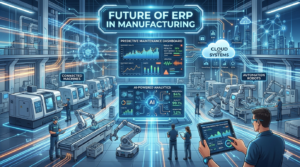
Future Manufacturing Trends Accelerating ERP Adoption
Manufacturing continues to evolve rapidly because of technological advancements and changing customer expectations. Businesses increasingly rely on automation, artificial intelligence, predictive analytics, and connected technologies.
Traditional systems often struggle to support these innovations because they were not designed for modern manufacturing environments.
ERP platforms are becoming more advanced by integrating intelligent technologies that improve decision-making and operational efficiency.
Manufacturers are increasingly using ERP systems alongside data-driven processes that improve visibility and reduce uncertainty.
Emerging trends influencing ERP adoption include:
Businesses that continue depending entirely on traditional systems may face increasing difficulties adapting to future industry demands.
The comparison between ERP and traditional systems extends beyond technology differences. It reflects two completely different approaches to managing manufacturing operations.
Traditional systems may feel familiar and comfortable, but many manufacturers eventually experience limitations related to scalability, efficiency, reporting, and operational visibility. Legacy systems frequently create barriers that slow growth and increase hidden costs.
ERP software for manufacturing industry operations offers a centralized environment where departments work together through shared information and automated workflows. While implementation requires planning and investment, the long-term advantages often include stronger productivity, better decision-making, and improved operational control.
Key takeaways from ERP vs Traditional Systems:
As manufacturing environments become more competitive, organizations that modernize their systems often gain stronger operational advantages and greater flexibility for future expansion.

A profitable business does not merely depend on a good product but is significantly liable...

The ERP manufacturing companies are evolving and expanding at a rapid pace, thereby increasing competition...

In a short span of time, customer relationship management software has enormously advanced and picked...

Every year, we see the rise of new technologies., With each rising technology, we see...

The emerging economies are powering global growth. The world has witnessed the rise of manufacturing...

India is the world’s largest home to small and large-scale industries and a central hub...
The outbreaks of the Covid-19 virus caused worldwide panics and delivered a consequential blow to...
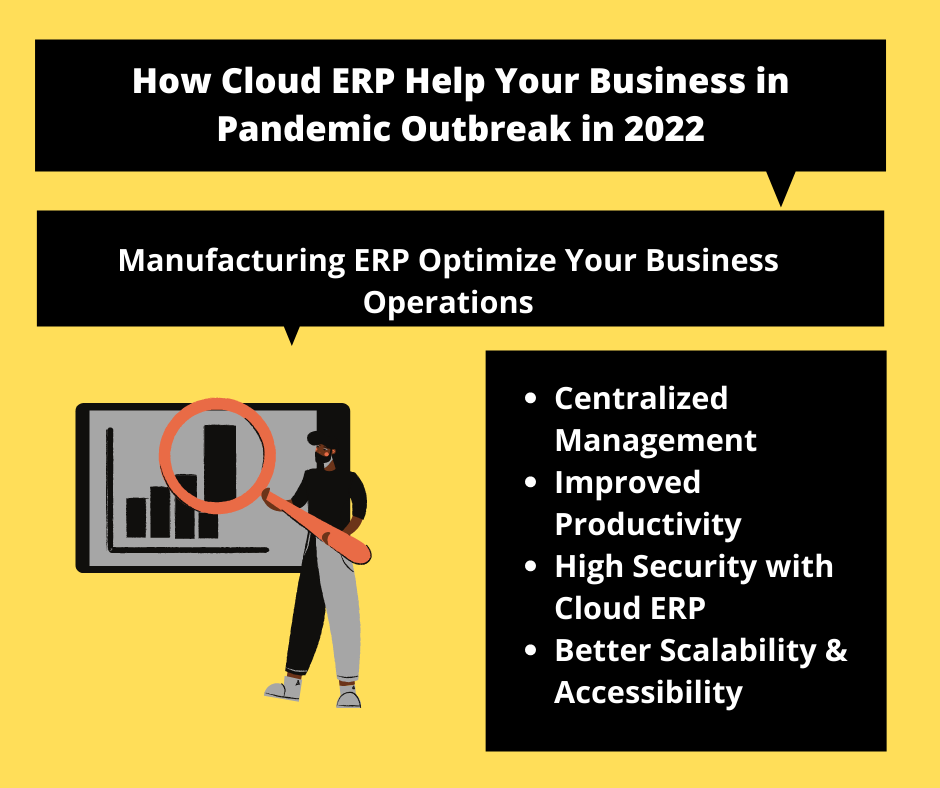
When the Cloud ERP Covid-19 pandemic came upon. It ushered in radical uncertainty and caused...

