
Running an automotive business is… chaotic, to say the least. Parts coming late, machines breaking down, suppliers calling every five minutes, and orders piling up. I’ve been in places where managers spent more time looking for missing parts than actually running production. That’s where ERP software comes in.
ERP, or Enterprise Resource Planning (yep, sounds fancy), is basically a tool that helps you keep all your business operations under control. Inventory, production, finances, customer orders, it all lives in one system. But not all ERP software is built the same, especially for automotive businesses. Choosing the right one can save you time, money, and a lot of headaches.
Think of ERP like a giant dashboard for your business. Instead of juggling spreadsheets, sticky notes, and emails, everything talks to each other.
For an automotive company, ERP can:
Imagine this: you’re assembling engines, and a crucial part is missing. Without ERP, someone has to dig through emails or call the supplier multiple times. With ERP, the system already tells you which batch is missing and even notifies the supplier. Life saver, right?
Not all ERP software fits automotive businesses perfectly. Here’s what I usually recommend looking for:
A system with these features can really simplify daily operations. And trust me, when things run smoothly, your whole team notices.
Some people think Automotive ERP is just another software you buy and forget about. Nope. A good system can actually change the way your business runs.
Even small efficiency gains can make a big difference when you’re juggling multiple production lines.
ERP isn’t magic. There are a few things to watch out for:
Knowing these things before you buy saves a lot of frustration.
Here’s a simple way to pick the right system:
Know your needs
What slows you down the most right now?
Which departments will use ERP the most?
Look for automotive-focused software
Some ERP systems are made specifically for automotive businesses.
Make sure it can handle complex production schedules and multi-level parts lists.
Check support and reviews
Ask other businesses about their experience.
Make sure the vendor provides reliable updates and customer service.
Try it before you commit
Request a demo or trial.
Let your team test it out. They’ll notice things you might miss.
Think about the future
Choose a system that can grow with your business.
Check if it can integrate with other software you already use.
Following these steps makes choosing a system much less stressful.
ERP works best when it connects with the other tools you already use:
When your tools talk to each other, mistakes happen less often, and people spend more time doing their real work instead of chasing data.
ERP isn’t free. Costs to consider include:
Yes, it can be a big investment. But a well-chosen ERP syestem usually saves money in the long run by cutting errors, saving time, and keeping operations smooth.
Switching to ERP can be stressful if you don’t plan. A few tips:
Even a little preparation goes a long way.
ERP software keeps evolving. Some trends to watch:
Being aware of trends helps your business stay competitive and modern.
Autus Cyber Tech’s ERP software for the automotive industry can save you a lot of time and stress. The trick is picking a system that matches your needs, planning the implementation, and involving your team.
Take your time, compare options, and imagine how the system will fit your daily operations. A little planning now can make your business run smoothly for years to come.

A profitable business does not merely depend on a good product but is significantly liable...

The ERP manufacturing companies are evolving and expanding at a rapid pace, thereby increasing competition...

In a short span of time, customer relationship management software has enormously advanced and picked...

Every year, we see the rise of new technologies., With each rising technology, we see...

The emerging economies are powering global growth. The world has witnessed the rise of manufacturing...

India is the world’s largest home to small and large-scale industries and a central hub...
The outbreaks of the Covid-19 virus caused worldwide panics and delivered a consequential blow to...
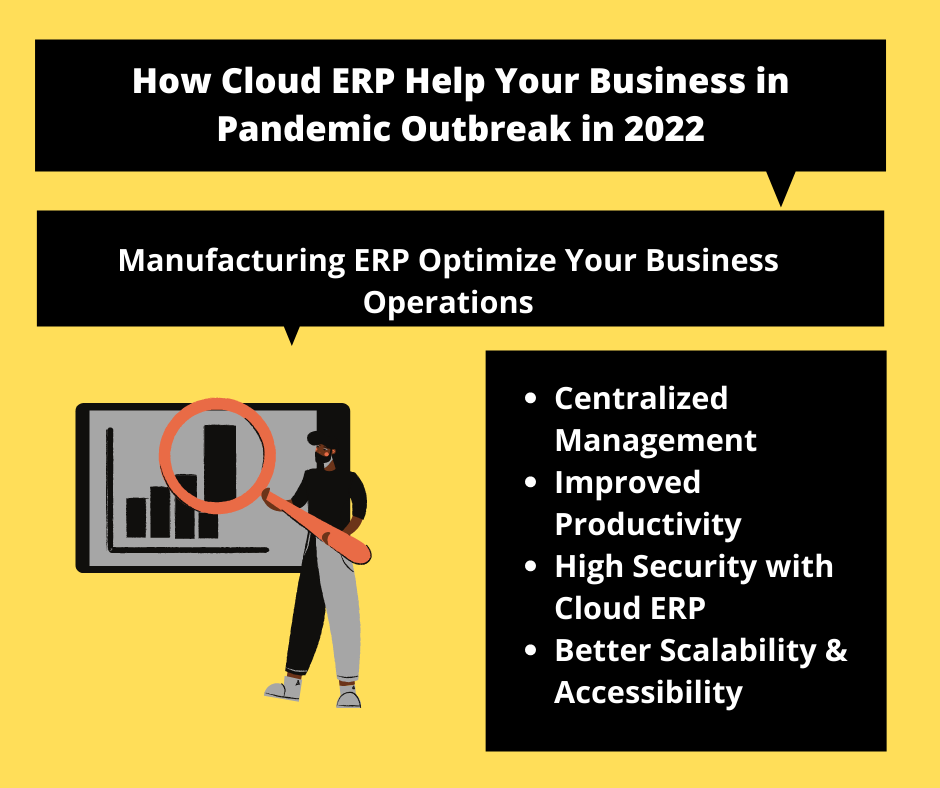
When the Cloud ERP Covid-19 pandemic came upon. It ushered in radical uncertainty and caused...

