
Running a paper mill is a lot like juggling knives while riding a unicycle. There’s pulp coming in, chemicals going out, machines that never seem to rest, and orders that can change at the drop of a hat. For decades, most mills managed all this with spreadsheets, phone calls, sticky notes, and a fair amount of gut instinct. But lately, things have been shifting. More mills are seeing that ERP software for paper industry operations isn’t just a tech upgrade, it can actually make life a lot easier.
Spreadsheets and manual tracking might work when you’re small, but as soon as production ramps up, errors creep in. One mill manager I know had a stack of papers tracking chemical usage, inventory, and shipments. On some days, no one really knew if they had enough pulp for the next order until it was too late. Machines would sit idle, and the office staff would scramble to fix mistakes.
ERP software for paper industry operations changes that. Instead of juggling separate systems, you get one place where production, inventory, sales, and finance all talk to each other. You can see which machines need maintenance before they break down. You know exactly how much pulp or recycled fibre is on hand. Orders get tracked in real time. It’s not magic, it’s just having the right information at the right time.
Take a mid-sized mill in Ohio as an example. Before ERP, the production team would spend hours at the end of each week reconciling material usage with invoices. Maintenance schedules were on sticky notes, and the shipping department had no idea if stock was actually ready. After installing ERP software, they saw immediate changes.
Now, machine operators get alerts when a roller or a dryer needs attention. The office automatically knows if there’s enough stock for the next shipment. Even minor issues like a bag of chemicals sitting too long in storage are flagged before it become a real problem. The result? Less downtime, less waste, and surprisingly, happier employees. People feel like they can actually do their jobs instead of constantly putting out fires.
ERP for paper industry operations touches nearly every part of the mill. Production teams can pull up reports showing how much material was used last week and forecast what’s needed next. Procurement knows when to reorder pulp or additives without waiting for someone to check the warehouse. Sales teams can quote accurate delivery dates without calling multiple departments.
Some of the small but noticeable changes include:
Even for managers who have spent years relying on experience alone, the difference is clear. It’s like finally being able to see the whole floor instead of just the part in front of you.
Not every mill is eager to dive into ERP. Some worry it will slow production during setup or cost too much. Others think the staff will resist learning a new system. Those concerns are valid. But most modern ERP systems let you start small. You can begin with production tracking or inventory management and add other modules gradually.
Training also doesn’t have to be painful. Once operators see alerts that prevent machines from breaking down or reports that make ordering materials simpler, adoption usually happens pretty quickly. People tend to stick with what actually makes their job easier.
Paper mills that embrace ERP aren’t just improving efficiency, they’re building flexibility. Unexpected material shortages, sudden spikes in orders, or staff shortages become easier to handle when accurate data is available at every step.
ERP software doesn’t replace experience. It amplifies it. Managers still make the calls, but now they can back decisions with real data. Over time, this can lead to smarter scheduling, reduced energy use, and less waste. A mill that was always reacting suddenly finds it can plan ahead and actually breathe a little.
At the end of the day, ERP software for paper industry operations is practical, not flashy. It helps mills run more smoothly, reduces errors, and gives managers better visibility without taking away their authority. Even small mills can see improvements by integrating just a few parts of the system.
ERP for paper industry operations can start small and grow with the mill. The key is to pick areas that cause the most headaches and let the software take over those tasks. Over time, the benefits add up. Less downtime, lower waste, faster responses to customers, and staff who feel more in control. That’s the kind of change that sticks.
If your mill is still juggling spreadsheets and sticky notes, it might be worth taking a closer look at ERP solutions. Even seeing a demo can make the potential benefits really hit home.

A profitable business does not merely depend on a good product but is significantly liable...

The ERP manufacturing companies are evolving and expanding at a rapid pace, thereby increasing competition...

In a short span of time, customer relationship management software has enormously advanced and picked...

Every year, we see the rise of new technologies., With each rising technology, we see...

The emerging economies are powering global growth. The world has witnessed the rise of manufacturing...

India is the world’s largest home to small and large-scale industries and a central hub...
The outbreaks of the Covid-19 virus caused worldwide panics and delivered a consequential blow to...
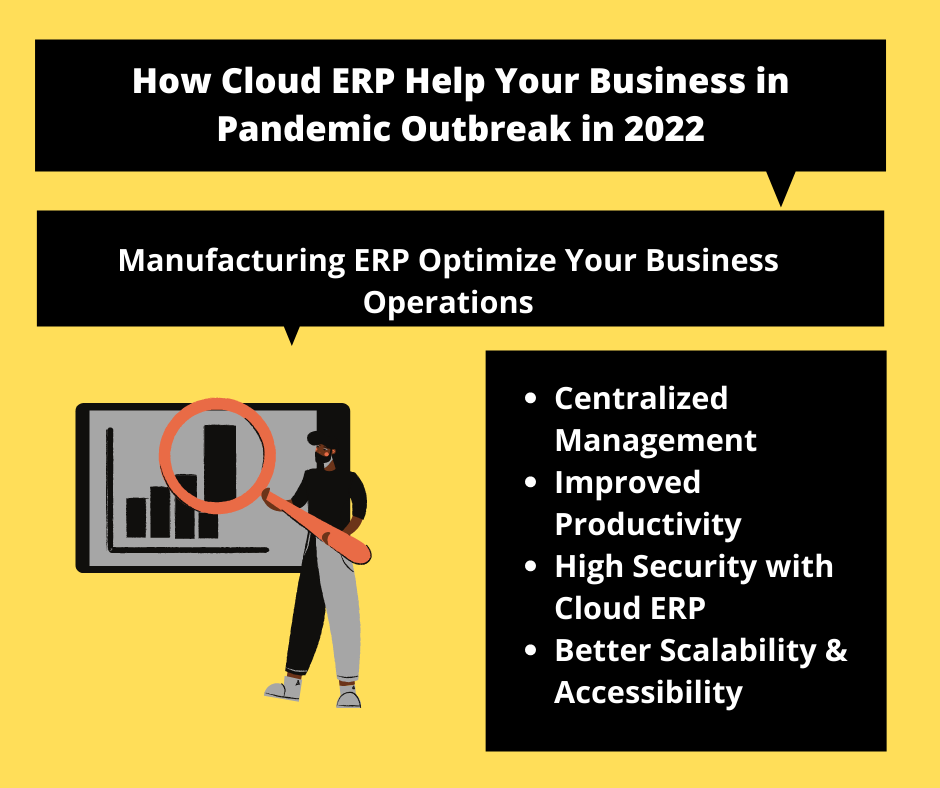
When the Cloud ERP Covid-19 pandemic came upon. It ushered in radical uncertainty and caused...

