
Running a small business is hard. You are juggling so many things: sales, inventory, invoices, customers, maybe even payroll yourself. It can get messy fast. I’ve seen small business owners get buried in spreadsheets and different apps, trying to keep everything in order. That’s where an ERP system can help. ERP software for small businesses puts many of these pieces together, so you don’t have to run around as much.
In this post, we’ll go through what an ERP system for a small business does, what it can offer, and some tips for picking one without spending weeks researching.
ERP stands for Enterprise Resource Planning. Big word, simple idea. It’s software that helps manage all your business tasks in one place.
Think about it. You have orders coming in, inventory to track, bills to pay, maybe employees to manage. If you do all of this separately, spreadsheets, separate apps, it’s easy to make mistakes. An ERP system connects all of that.
It can help you:
For small businesses, ERP software is usually simpler than the big corporate versions. It’s made to be easier to use and cheaper, too.
Not every ERP system has the same features. But for small businesses, these are often the most helpful:
Honestly, even having just a couple of these features in one place can save you hours every week.
Also Read: Top 6 Benefits of ERP Systems for Small and Mid-size Businesses
It’s not just about fancy tech. An ERP system for a small business actually changes how you run things:
Even small improvements in these areas can make a big difference.
Also Read: Why Do Small Businesses Need an ERP System?
Picking an ERP can feel overwhelming, but it doesn’t have to. Here’s a simple way:
Following this will save a lot of headaches down the line.
Even a simple ERP system has its challenges:
Being aware helps you plan better.
A Small Example
Imagine you run a small bakery. You take orders, track ingredients, manage staff hours, and handle invoices. Without ERP, you’re juggling spreadsheets, sticky notes, and maybe WhatsApp messages. One day, you forget to restock flour and lose sales.
With an ERP system for small businesses, all your inventory, orders, and finances are in one place. You can see what’s low in stock, which orders are pending, and even track expenses, all in one dashboard. It’s easier to stay organised and less stressful.
ERP software for small businesses isn’t magic, but it’s a huge help. It saves time, reduces mistakes, and makes running your business a bit less chaotic.
Take your time to figure out what you need, try a few options if possible, and start with something simple. You don’t need every feature at once. Autus Cyber Tech’s ERP system can grow with your business and make your daily operations smoother. Running a small business will always have challenges, but having the right tools can make a noticeable difference.

A profitable business does not merely depend on a good product but is significantly liable...

The ERP manufacturing companies are evolving and expanding at a rapid pace, thereby increasing competition...

In a short span of time, customer relationship management software has enormously advanced and picked...

Every year, we see the rise of new technologies., With each rising technology, we see...

The emerging economies are powering global growth. The world has witnessed the rise of manufacturing...

India is the world’s largest home to small and large-scale industries and a central hub...
The outbreaks of the Covid-19 virus caused worldwide panics and delivered a consequential blow to...
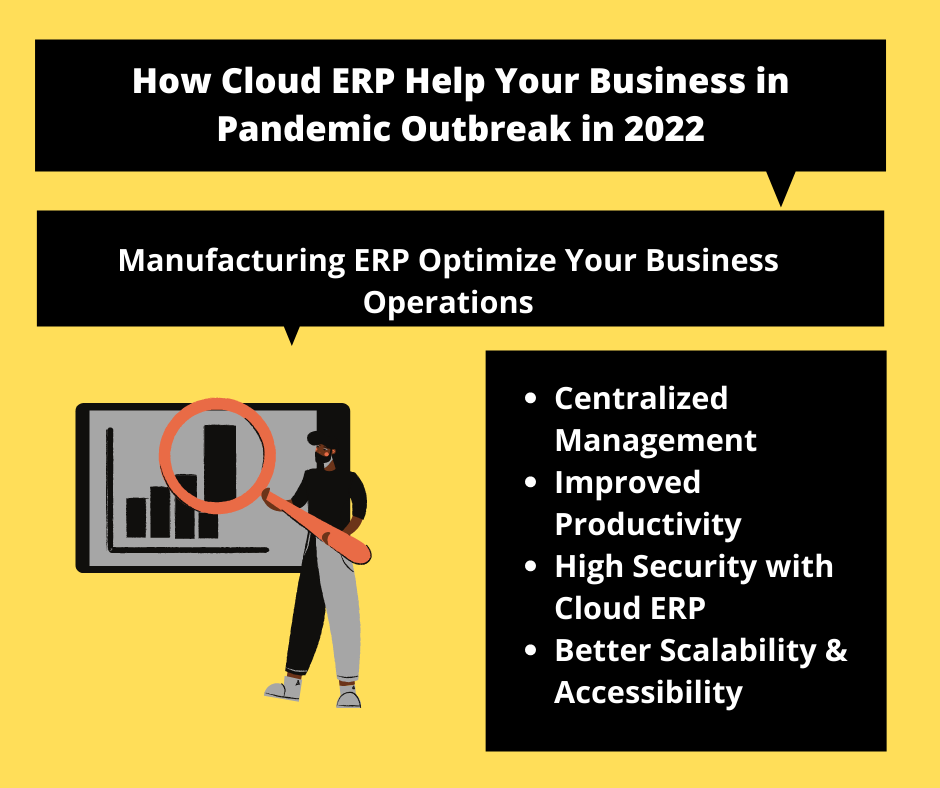
When the Cloud ERP Covid-19 pandemic came upon. It ushered in radical uncertainty and caused...

