
Walk into any busy hospital, and you can feel the complexity right away. Appointments, billing, inventory, staff schedules, and compliance paperwork. It all runs at the same time, often on different systems that barely talk to each other. That is where ERP Medical solutions start to make sense. Instead of juggling five tools and a stack of spreadsheets, healthcare organisations use one connected platform to keep operations moving without constant firefighting.
A few years ago, many clinics were fine with basic accounting software and a separate patient system. Things have changed. Rising costs, tighter regulations, and higher patient expectations have pushed operations into the spotlight. ERP in medical environments is not about chasing trends. It is about surviving daily pressure.
Think about a hospital pharmacy running low on critical medication because the inventory data was updated late. Or a finance team closing the month three weeks late because billing data lives somewhere else. These are not rare situations. They are everyday problems that ERP Medical platforms are built to reduce.
At its core, ERP in medical settings connects the business side of healthcare. It does not replace clinical systems like EHRs, but it works alongside them. A typical setup brings together finance, supply chain, HR, procurement, and reporting.
Here is how that looks in practice. When supplies are used during a procedure, inventory levels update automatically. Purchasing knows when to reorder. Finance sees the cost impact right away. No one has to chase emails or wait for a weekly report.
Over time, ERP Medical becomes the system the system teams check first when they need answers.
Consider a multi-location orthopaedic clinic expanding across two cities. Each location used its own tools for payroll, purchasing, and vendor management. Growth exposed cracks fast. Staff were paid late, implants were overordered, and leadership had no clear view of margins.
After rolling out ERP in medical operations, they centralised purchasing and finance. Suddenly, they could compare costs across locations and negotiate better supplier contracts. It was not magic, and it took months to settle in, but the visibility alone changed how decisions were made.
Most healthcare leaders are not impressed by long feature lists. They care about what actually gets used. Strong medical ERP software usually focuses on a few essentials and does them well.
Common features teams rely on include:
ERP for healthcare works best when these pieces feel connected rather than bolted together.
No one likes talking about this part, but it matters. Rolling out ERP Medical systems takes time and patience. Data needs cleaning. Staff need training. Some workflows will change, and that can be uncomfortable.
The organisations that succeed usually do a few things right:
ERP in medical projects fail when leaders expect instant perfection. They succeed when expectations stay realistic.
Not every solution works for every provider. A small speciality clinic does not need the same setup as a large hospital network. When evaluating ERP for healthcare, it helps to look past brand names and focus on fit.
Ask simple questions. Can it scale as you grow? Does it integrate with your existing clinical systems? Will your team actually use it, or will they find workarounds?
Good medical ERP software supports daily work instead of adding friction.
Healthcare operations are only getting more complex. Costs are rising, margins are thin, and transparency is no longer optional. ERP Medical platforms give organisations a way to manage that complexity without burning out their teams. Whether you call it ERP in medical management or simply smarter operations, the goal is the same. Clear data, fewer surprises, and better decisions.
As more providers explore ERP for healthcare, the focus is shifting from features to outcomes. ERP software is no longer just an IT investment. It is becoming part of how healthcare organisations stay stable and responsive in a demanding environment.
If you are considering this path, it may help to start with a simple review of your current systems and where information gets stuck. From there, conversations around ERP Medical solutions tend to feel a lot more practical and a lot less overwhelming.

A profitable business does not merely depend on a good product but is significantly liable...

The ERP manufacturing companies are evolving and expanding at a rapid pace, thereby increasing competition...

In a short span of time, customer relationship management software has enormously advanced and picked...

Every year, we see the rise of new technologies., With each rising technology, we see...

The emerging economies are powering global growth. The world has witnessed the rise of manufacturing...

India is the world’s largest home to small and large-scale industries and a central hub...
The outbreaks of the Covid-19 virus caused worldwide panics and delivered a consequential blow to...
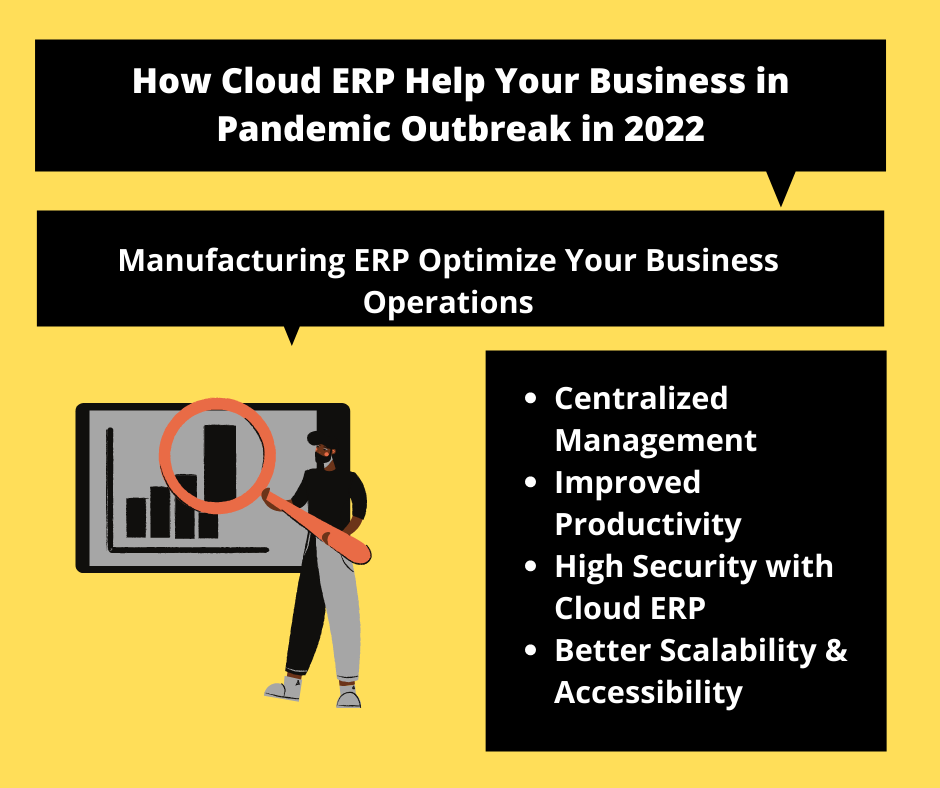
When the Cloud ERP Covid-19 pandemic came upon. It ushered in radical uncertainty and caused...

